Information and Knowledge Yield Loss Across Transcoding Eras

As someone who’s lived through the mind numbing pace of technological change, I’ve been fascinated by how we’ve transformed the way we store, share, and understand information.  This part of technological change really haunts me:  With each leap forward, we are leaving something important behind.

Through each “transcoding era”,  aggregate intelligence information loss.  At least three major ones, each has brought incredible advancements, but also introduced “yield loss” – a concept borrowed from manufacturing that I think applies perfectly to our data-driven world.


From Physical to Digital

The first era was all about turning physical stuff into digital format. Books became e-books, vinyl records turned into MP3s, and film reels transformed into digital video files. It was mind-blowing at the time. Suddenly, we could carry entire libraries in our pockets!

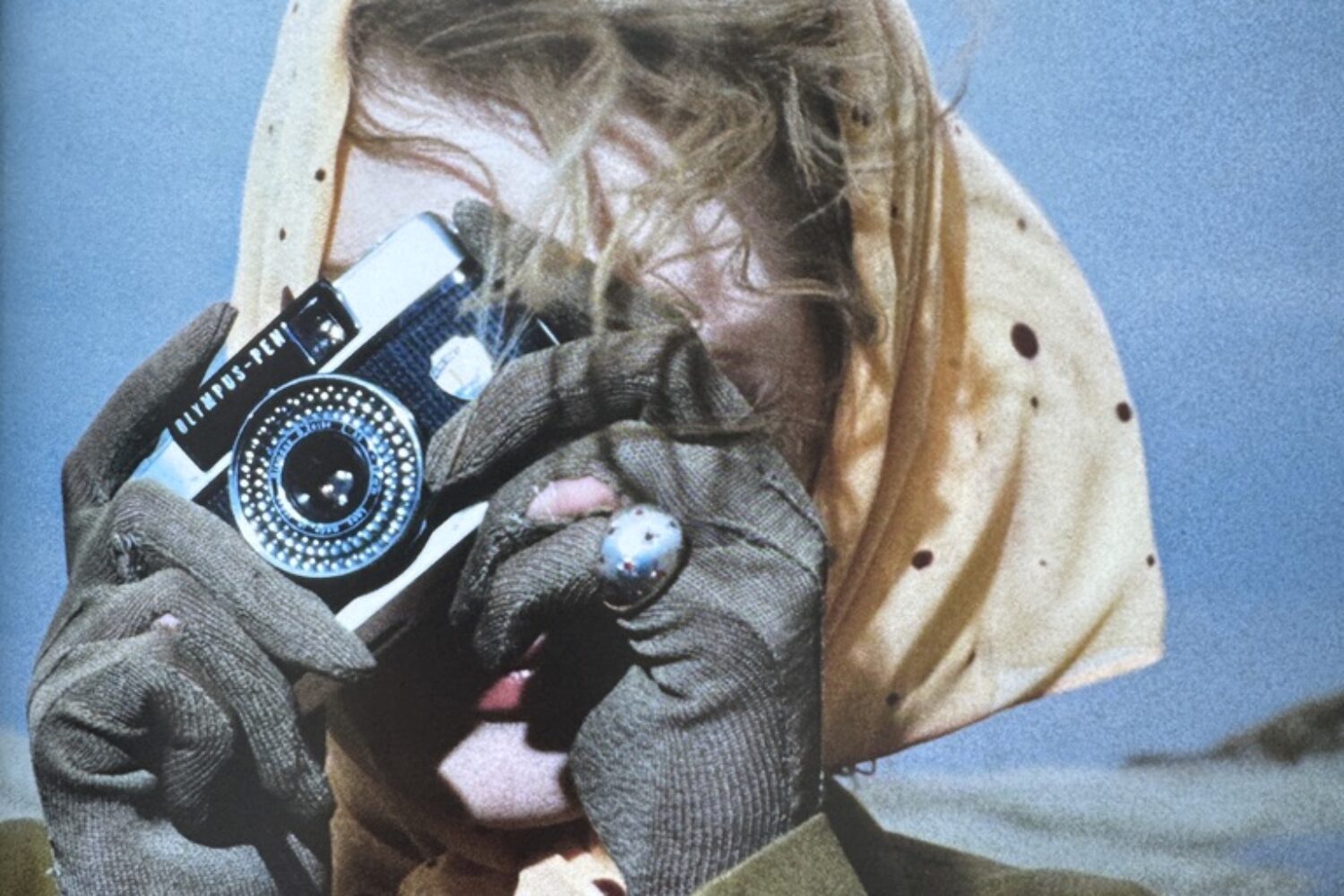
Many things were lost in translation. Remember the warmth of vinyl records? Or the smell of old books? Early digital tech couldn’t capture those sensory experiences. We gained convenience, sure, but at the cost of some of the richness that made those physical mediums special.

I sit now in a massive room filled with legacy media that i can pick up and touch, regard, play and read that did not make this first leap and likely never will.


The Internet Age

Cue:  internet,  Information at our fingertips, instant communication across the globe. But in our rush to make everything faster and more accessible, we started cutting corners.

To squeeze data through limited bandwidth, we compressed files until videos looked like pixelated messes and music lost its depth. We chopped up long-form content into bite-sized chunks for quick consumption – micro chunking it as we called it at the turn of the century.   Further reduction.

At each turn, loss of information that did not make the cut for whatever reason, and a lessening and reduction in cases that did make it.

RIP Newsgroups, a valued shared source of organized information lost.  (Forget about the Archie and Gopher and all the BBS’s)

Web 2.o emerged and in the M&A of that decade valuable two dot o companies and information  was  lost including, del.icio.us,  o.g. services like Flickr, Tumblr et al.  So past information that did not make the leap – there is a giant digital gap of aggregate knowledge sources


AI Takes the Wheel

Now we’re entering a new era, Artificial Intelligence is starting to infer, interpret, analyze, synthesize and even create information on its own.

Andrew Gray, a librarian at University College London, trawled through millions of papers searching for the overuse of words such as meticulous, intricate or commendable.

He determined that at least 60,000 papers involved the use of AI in 2023 — over one percent of the annual total. “For 2024 we are going to see very significantly increased numbers,” Gray told AFP.

Another reduction of source material, further loss of context and over all diminishment.


Perspective

I am of the singular generation who grew up BC (before computers) but thrived as an adult in the computational era (AC).  We are the only humans who have this perspective and time is eroding our information and knowledge and digital is decaying it.


So, What Can We Do About It?

How do we develop systems that preserve the richness of human experience and does not leave off the long tail and expressly look for it to be included? How do we find ways to keep the convenience of digital formats without sacrificing quality? How do we include the most robust set of information that carries forward.  What are we leaving behind?

Mediaeater Digest Vol 30, No. 219

Neuralink second implant patient working well  (twitter)

DARPA  semanticforensics.com 

DEF CON 32 Home Page

Drake  100gigs.org (music 2024)

Amazon Topics (metdadata)

Tool: ip.network  (101)

Trend: Kling watermark remover  (of course)

Business: UNITED STATESOF AMERICA et al., Plaintiffs, V. GOOGLE LLC, Defendant. (remedy?)

X: = Dis-information (stop using this service)

IG/AI  aistudio.instagram  (why) 

Flux  flux1.org  (image gen)

Making Music

Suno
https://www.suno.ai/
Creates complete songs from text prompts, including lyrics and vocals

Brev.ai
https://brev.ai/
AI Music Generator Free Online  (stability AI)

AIVA (Artificial Intelligence Virtual Artist)
https://www.aiva.ai/
Specializes in creating original music for various media

Soundraw
https://soundraw.io/
AI-powered music generator with customizable parameters

Boomy
https://boomy.com/
Allows users to create and distribute AI-generated music

Amper Music
https://www.ampermusic.com/
Offers AI-powered music creation for content creators

OpenAI’s Jukebox
https://openai.com/research/jukebox
Generates music with vocals in various genres and artist styles

Mubert
https://mubert.com/
Generates continuous streams of AI-produced music

Beatoven.ai
https://www.beatoven.ai/
Creates royalty-free music tailored to video content

Loudly
https://loudly.com/
Provides AI-generated music tracks for various purposes

Endel
https://endel.io/
Generates personalized soundscapes for focus, relaxation, and sleep

MuseNet (by OpenAI)
https://openai.com/research/musenet
Deep neural network that can generate 4-minute musical compositions

Google’s Magenta
https://magenta.tensorflow.org/
Open-source research project exploring music and art generation

Amadeus Code
https://amadeuscode.com/
AI-powered songwriting assistant for melody creation

Aiva Music
https://aivamusic.com/
AI composer for creating original music

Splash
https://www.splashmusicai.com/
Produces custom music and sound effects for games and apps


this is a test:  “i_was_served_an_ad_that_featured_an_ai_photo_of”.  of turning spam into a honeypot

A Weekend of Letting Go

This weekend marked two significant firsts in my life, both involving parting with cherished possessions.

Photograph Sale

I sold a photograph that had adorned my walls for years, bringing joy every time I looked at it. This was my first time ever selling anything. Christie’s handled the sale, and I hope the piece will find a new home with someone who will appreciate it as much as I did.

CD Collection, Farewell

I also sold off my collection of 5,000 CDs, which I hadn’t touched in some time. Initially, this seemed like an obvious decision – a no-brainer when I first considered it. However, as I went through the collection, I found myself awash in memories and rediscovering music that’s no longer available online. At the last minute, I almost changed my mind.

(The decision feels even more perplexing when I remember that I still have most of the important music on vinyl.)

A New Perspective

My new theory is that this is just another step in the journey of artworks and books finding their place in the world. These possessions are moving on, continuing their own stories beyond my walls and making me lighter and more focused in the process.